 We help people get the compensation they deserve.
Talcum Powder Products
Talcum powder has been used in cosmetics and personal care items for decades. However, when talc is contaminated with asbestos, it can cause ovarian cancer, mesothelioma, and other serious illnesses. If you or a loved one developed cancer after using contaminated talcum powder products, you may be eligible for compensation.
Why Take Legal Action?
By filing a product liability lawsuit, you can pursue financial compensation and justice from the companies that caused you or a loved one harm.
Results Secured
- $40 million for a veteran exposed to asbestos from Goodyear gaskets
- $1.16 million for a Roundup® victim in North Dakota
- $575,000 for a man in Florida who suffered chemical burns from Just for Men® hair dye


Fact-Checked and Legally Reviewed by: Jennifer Alesio
What Products Contain Talcum Powder?
Talc is a naturally occurring mineral made up of magnesium, silicon, and oxygen. When finely ground, it becomes talcum powder, a soft, silky substance that absorbs moisture, prevents friction, and gives many products a smooth texture.
Talc is often mined from deposits that are located near asbestos. As a result, asbestos fibers can contaminate talc during mining or processing. If contaminated talc is used, it can pose serious health risks like ovarian cancer or mesothelioma when inhaled or applied.
Products with talc in them have included:
- Baby powders
- Body powders
- Cosmetics and makeup
- Deodorants and antiperspirants
- Dry shampoos and shave powders
- Feminine hygiene powders
- Foods and medications
- Lotions and moisturizers
Many manufacturers knew of the dangers of asbestos-contaminated talc but failed to warn consumers. Even today, several companies continue to deny any connection between their talcum powder products and cancer, despite mounting scientific and legal evidence.
At LawFirm.com, we have a network of top talcum powder lawyers who can work to hold these companies accountable. Our legal partners have recovered over $11 billion total for asbestos victims nationwide.
Get a free case review now to see if a top asbestos lawyer may be able to fight hard for you.
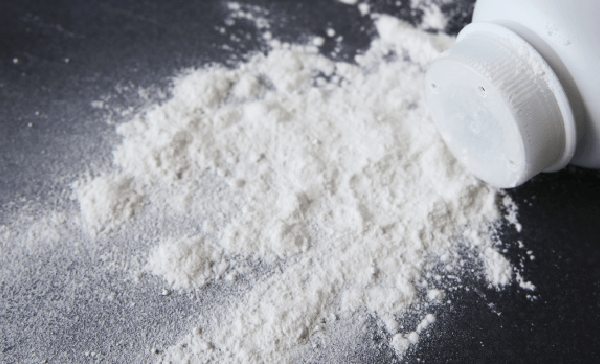
Products With Talc
For decades, many popular talcum powder brands contained talc, and some of them were later found to be contaminated with asbestos. These talcum powder products were marketed as safe for everyday use, even for babies, despite evidence to the contrary.
Talcum powder products with talc include:
- Avon® Night Magic Perfumed Body Powder
- Avon Skin So Soft Soft & Sensual Body Powder
- Avon Sweet Honesty Body Powder
- Avon Haiku Perfumed Body Powder
- Avon Timeless Body Powder
- Cashmere Bouquet® Body Powder and Face Powder
- Chanel No. 5® Body Powder
- Clubman Pinaud® Powder
- Gold Bond® Medicated Powder
- Johnson’s® Baby Powder
- Mennen® Baby Powder, Baby Magic Powder, Shave Talc, and Bath Talc
- Shower to Shower® Body Powder
Even trace amounts of asbestos in talc can pose serious health risks. If you regularly used talc-based products and later developed cancer or another asbestos-related illness, you may be eligible for compensation from a talcum powder products settlement.
Talcum Powder Settlements and Verdicts
Thousands of families have filed talc lawsuits, alleging that asbestos-contaminated talcum powder products caused their cancer. Over the past decade, these cases have led to billions in compensation against talc manufacturers, including Johnson & Johnson.
Some juries have awarded victims millions of dollars for medical costs, pain and suffering, and wrongful death. In other cases, companies have agreed to talcum powder settlements to resolve claims without going to court.
Talcum powder settlements and verdicts include:
- $966 million verdict to the family of Mae Moore, an 88-year-old woman and long-time Johnson & Johnson talcum powder user who died from mesothelioma in 2021
- $260 million for Kyung Lee, an Oregon mother of 3 who developed mesothelioma in her 40s after years of using Johnson’s baby powder — the verdict was later overturned, but a new trial has been scheduled
- $52.1 million to Rita-Ann Chapman, a California woman who developed mesothelioma after years of using Avon talc products, including body and face powders, beginning when she was 8
- $45 million for Theresa Garcia, an Illinois woman who died 6 months after being diagnosed with mesothelioma linked to Johnson & Johnson’s baby powder
- $42.6 million to Paul Lovell, a Massachusetts man who developed mesothelioma after decades of using Johnson & Johnson’s talc-based baby powder
- $29.1 million for a South Carolina woman diagnosed with mesothelioma at age 35 after using a variety of cosmetic products with talc supplied by Whittaker, Clark & Daniels
- $25 million to Evan Plotkin, a Connecticut man whose mesothelioma was linked to decades of exposure to Johnson & Johnson talc products
- $24.4 million for the family of Cipriano Ramirez, a Chicago janitor who developed mesothelioma after working at an Avon facility in the 1980s, where asbestos-contaminated talc was processed
- $8 million to a Massachusetts woman diagnosed with mesothelioma caused by Johnson & Johnson products that contain talc
In March 2025, a bankruptcy judge rejected Johnson & Johnson’s proposed $8 billion settlement plan, which sought to resolve tens of thousands of talc-related ovarian cancer lawsuits. As a result, these asbestos claims will continue to move forward in court.
Manufacturers of products with talc have been ordered to pay more than $1.2 billion to victims and their families in the past year or so. While each case is different, compensation can help make the road ahead easier.
Call (888) 726-9160 right now or chat with a case manager to take the first step toward justice and compensation for a talcum powder cancer.
Are Talc Products Safe?
Decades of research have linked asbestos-contaminated talcum powder products to several types of cancer. When talc is applied to the body, asbestos fibers may be inhaled or enter the reproductive system, where they may remain for years and cause disease.
Cancers associated with products containing talc include:
- Ovarian cancer from the use of products with talc in the genital area
- Mesothelioma, a rare and aggressive cancer caused by asbestos exposure
- Lung cancer, which is linked to inhaling asbestos-contaminated talc particles
If you’ve been diagnosed with cancer after regular use of talcum powder products, you may be able to file an asbestos lawsuit and pursue compensation.
Lawsuits involving asbestos talc products have strict filing deadlines, which limit the amount of time you have to take legal action. For that reason, it’s important to reach out to a talcum powder lawyer as soon as possible.
Who’s at Risk From Asbestos in Talc Products?
Anyone who has used or been around products with talc could be at risk of developing an asbestos-related disease, even years after exposure. The risk typically increases based on frequency and duration of use.
Those most commonly affected by asbestos-containing talc products include:
- Consumers who regularly used personal care products, body powders, or makeup products that contain talc
- Parents who applied baby powder to their children
- Women who used baby powder or feminine hygiene powders in the genital area
- Workers involved in talc mining, manufacturing, or cosmetic production, as well as their family members who may have been exposed to asbestos secondhand through dust carried home on clothing
Because asbestos-related cancers can take 10 to 50 years to develop, many patients are only now discovering that their illness may be linked to talcum powder products they trusted for years.
Get a free case review to see if you may be eligible for compensation from a talcum powder lawsuit.
Why Is Talc Used in Beauty Products?
Despite growing awareness of the public health risks of talc exposure, the mineral is still used in many personal care products today. Manufacturers continue to rely on talc because of its texture, versatility, and low cost.
Talc remains a common ingredient in consumer products due to its:
- Affordability: Talc is inexpensive to mine and process compared to safer alternatives like cornstarch, mica, or silica.
- Moisture-absorbing and oil-controlling properties: Talc helps keep skin dry and smooth, making it popular in baby powders, body powders, and feminine hygiene products.
- Soft, silky texture: Talc in makeup gives powders, foundations, and eye shadows a smooth finish that blends easily and adheres well to the skin.
However, for decades, many companies knew about asbestos contamination in their talcum powder products but hid this information from the U.S. Food and Drug Administration (FDA) and the public.
Even today, talc is largely unregulated in the United States. While some companies now test their talc supplies voluntarily, there is no federal requirement to ensure products with talc are asbestos-free before being sold to consumers.
Is Talcum Powder Safe to Use Now?
Identifying products that contain talcum powder is an important step in reducing your risk of exposure to asbestos-contaminated talc. Unfortunately, this isn’t always easy, as ingredient labels can sometimes be unclear or incomplete.
To determine whether a product contains talc, you can:
- Check the ingredient label: Look for terms such as talc, talcum powder, or magnesium silicate (a form of talc used in some cosmetics and pharmaceuticals).
- Research the brand’s safety practices: Review the company’s website for ingredient transparency, safety testing policies, or third-party lab results.
- Look for official warnings or recalls: Stay informed through alerts from the FDA and consumer safety notices about talc-containing products, including recent recalls of baby powders or makeup.
- Seek out “talc-free” certifications: Some talcum powder products display labels from independent organizations verifying that they are talc-free. These can provide extra reassurance, though it’s still best to verify them when possible.
- Consult independent safety databases: Use trusted resources like the Environmental Working Group (EWG) to review ingredients and safety ratings.
Older products may be especially risky. Even though many manufacturers have reformulated or discontinued their talc products, older containers stored at home may still contain asbestos-contaminated talc. It’s best to avoid using any vintage or previously opened talcum powder products.
Even with careful research, it can still be difficult to confirm whether a talcum powder product uses asbestos-free talc. When in doubt, select products that are clearly labeled talc-free or made by brands with transparent testing and sourcing standards.
Get Help From a Talcum Powder Lawyer Near You
Consumers trust that the products they use every day are safe, but for many families, talcum powder has shattered that trust. If you or a loved one developed mesothelioma, ovarian cancer, or another serious illness after use of talc products, we may be able to help.
The talcum powder lawyers in our network can stand up to powerful corporations like J&J on your behalf and level the playing field. Our legal partners never charge any upfront costs or hourly fees and can help asbestos victims in all 50 states.
Together, they’ve secured over $11 billion in asbestos settlements and verdicts nationwide.
Call (888) 726-9160 right now or get a free case review to see if a top talcum powder attorney can fight for you.
Talc in Beauty Products FAQs
For decades, Johnson & Johnson (J&J) sold several personal care products made with talc. The most well-known is Johnson’s Baby Powder, which contained talc until the company transitioned to a cornstarch-based formula in 2023.
Other J&J products that contained talc included:
- Shower to Shower Body Powder
- Johnson’s Baby Powder with Aloe & Vitamin E
Although these products were marketed as safe, internal company documents have shown that some talc used by J&J tested positive for asbestos, a known carcinogen linked to mesothelioma and ovarian cancer.
If you or a loved one developed cancer after using Johnson & Johnson talcum powder products, you may be eligible for compensation. Get a free case review now to see if you qualify.
Talcum powder products are cosmetics and personal care items made with talc, a naturally occurring mineral. Talc is ground into a fine, soft powder that helps absorb moisture, prevent friction, and create a smooth texture on the skin.
Talcum powder products include baby powder, body powder, face powder, blush, and other makeup products. Talc is also used in some deodorants, feminine hygiene products, and pharmaceuticals for its anti-caking and texture-enhancing properties.
In some instances, talc can become contaminated with asbestos, a known carcinogen. Thousands of lawsuits claim that talc-based products caused mesothelioma, ovarian cancer, and other asbestos-related diseases.
Talc is still found in some cosmetics, body powders, and personal care items sold in the U.S.
For example, talc in hair products like dry shampoos and hair powders absorbs oil and adds texture. Talc in skin care products controls shine and creates a smooth finish.
Because talc can be contaminated with asbestos, experts recommend choosing products labeled “talc-free” whenever possible.
Talc is a common ingredient in many makeup and beauty products because it absorbs moisture and gives cosmetics a smooth, silky texture. However, talc can sometimes be contaminated with asbestos, a known carcinogen linked to mesothelioma and ovarian cancer.
Beauty products that contain talc may include:
- Blush and bronzer
- Body and shimmer powders
- Dry shampoo and finishing sprays
- Eye shadow and setting powder
- Face powders (pressed and loose)
- Foundation and concealer
While some brands have switched to talc-free formulas, others still use talc in their products. Always check ingredient labels for “talc” or “magnesium silicate” and choose talc-free options when possible.
Over the years, many Avon perfumed talcum powder products and cosmetics have contained talc as a primary ingredient. These include some of the brand’s most popular vintage and collectible products, which were sold for decades before safety concerns came to light.
Avon products with talc named in asbestos lawsuits include:
- Candid
- Honeysuckle
- Imari
- Foxfire
- Moonwind
- Night Magic
- Pearls & Lace
- Timeless
- Topaze
- WildJasmine
In addition to body powders, some Avon cosmetic items, such as blushes, pressed powders, and bronzing pearls, have also listed talc among their ingredients.
Since the first talcum powder lawsuit against Avon Products was filed in 2010, the company has spent more than $225 million on talcum powder settlements and legal fees.
Yes. Dozens of e.l.f. products with talc have been identified by the Environmental Working Group, including:
- Cosmetics Putty Primer Trio
- Eyeshadow Palette, Rose Gold Nude
- High Definition Loose Powder, Sheer
- Mad for Matte Eyeshadow Palette, Nude Mode
- No Budge Cream Eyeshadow, Plateau
- Shape & Stay Beow Wax Pencil, Clear
Because some talc used in cosmetics has been found to contain trace amounts of asbestos, consumers should exercise caution and carefully review ingredient labels before use.
Yes. Nearly 100 M.A.C products contain talc as noted by the Environmental Working Group. These include popular powders, primers, lip pencils, and eyeshadows.
M.A.C products with talc include:
- M.A.C Lip Pencil, Dervish
- M.A.C Lip Pencil, Plum Potent Reddened
- M.A.C Mac Sheertone Blushbaby Beige Pink Powder
- M.A.C Mineralize Skinfinish, Soft & Gentle
- M.A.C MAC Prep + Prime 24 Hour Extend Eye Base
- M.A.C Women COSMETIC Eye Shadow, Naked Lunch
Because some cosmetic talc has been found to contain trace amounts of asbestos, M·A·C products with talc could pose a safety risk if contamination occurred during sourcing or manufacturing.
While many companies have switched to talc-free formulas, some products on the market still contain talcum powder, and there’s no federal law requiring manufacturers to test for asbestos contamination.
Because talc and asbestos often occur together in nature, even trace contamination can pose serious health risks, including mesothelioma and ovarian cancer. Call (888) 726-9160 if you or a loved one has been harmed — you may be eligible for compensation.
Yes, some stores still sell products with talc powder, though many brands have switched to talc-free alternatives in recent years.
Johnson & Johnson stopped selling its talc-based baby powder in the United States and Canada in 2020 and discontinued it globally in 2023. However, other companies, especially smaller or international brands, may still use talc in body powders, makeup, and deodorants.
Fact-Checked and Legally Reviewed by: Jennifer AlesioPartner, Simmons Hanly Conroy
- Lawyer
- Editor
Attorney Jennifer L. Alesio is a partner at Simmons Hanly Conroy and works from the firm’s San Francisco office. She focuses on mesothelioma and asbestos litigation, representing injured workers and families harmed by corporate negligence.

Written by: Rae Theodore
Rae Theodore is a writer and editor with more than 30 years of experience in legal publishing. She earned a bachelor’s degree in English from Pennsylvania State University.
- California Superior Court, Alameda County. (2020). “Bader v. Avon Products Inc., No. A157401 and A158611.” Retrieved from https://law.justia.com/cases/california/court-of-appeal/2020/a157401.html.
- Connecticut Public. (2025). “CT judge issues $25M judgement against Johnson & Johnson.” Retrieved from: https://www.ctpublic.org/news/2025-10-03/ct-judge-issues-25-million-judgement-against-johnson-and-johnson.
- Daily Hornet. (2024). “Jury Awards $45 Million in Baby Powder Mesothelioma Trial.” Retrieved from: https://dailyhornet.com/2024/jury-awards-45-million-in-baby-powder-mesothelioma-trial/.
- Environmental Working Group. (n.d.). “Products Containing Talc by Avon.” Retrieved from https://www.ewg.org/skindeep/browse/ingredients/706427-TALC/?brand=Avon&ingredient_id=706427-TALC&page=1.
- Environmental Working Group. (2020). “EWG‑Commissioned Tests Finds Cancer‑Causing Asbestos in Talc‑Based Cosmetics.” Retrieved from: https://www.ewg.org/news-insights/news/ewg-commissioned-tests-finds-cancer-causing-asbestos-talc-based-cosmetics.
- Fierce Pharma. (2025). “J&J talc appeal upends $260M award to Oregon woman with mesothelioma.” Retrieved from: https://www.fiercepharma.com/pharma/jj-talc-appeal-upends-260m-award-oregon-woman-mesothelioma.
- Reuters. (2025). “Johnson & Johnson ordered to pay $966 million in talc cancer case after jury finds company liable.” Retrieved from: https://www.reuters.com/legal/litigation/johnson-johnson-ordered-pay-966-million-after-jury-finds-company-liable-talc-2025-10-07/.
- Reuters. (2025). “Johnson & Johnson ordered to pay $42M after jury finds talc caused man’s cancer.” Retrieved from: https://www.reuters.com/legal/litigation/johnson-johnson-ordered-pay-42m-after-jury-finds-talc-caused-mans-cancer-2025-07-29/.
- Reuters. (2023). “Talc supplier hit with $29 mln verdict in South Carolina trial.” Retrieved from: https://www.reuters.com/legal/talc-supplier-hit-with-29-mln-verdict-south-carolina-trial-2023-03-06/.
- Simmons Hanly Conroy. (2024). “Jury Awards $24.4 Million to Chicago Area Family in Asbestos-Contaminated Talc Exposure Case Against Avon.” Retrieved from: https://www.simmonsfirm.com/news/item/24-million-verdict-chicago-asbestos-talc-case/.
- Sokolove Law. (2025). “Avon® Talc Bankruptcy Approved.” Retrieved from: https://www.sokolovelaw.com/blog/avon-talc-lawsuit-bankruptcy-filing-approved/.
- U.S. Food and Drug Administration. (2024). “FDA Releases Data from the Agency’s 2023 Testing of Talc‑Containing Cosmetic Products for Asbestos.” Retrieved from: https://www.fda.gov/cosmetics/cosmetics-news-events/fda-releases-data-agencys-2023-testing-talc-containing-cosmetic-products-asbestos.
- U.S. Food and Drug Administration. (2024). “Talc.” Retrieved from: https://www.fda.gov/cosmetics/cosmetic-ingredients/talc.