 We help people get the compensation they deserve.
Signs of Nursing Home Abuse
Noticing the signs of nursing home abuse, like behavioral changes and unexplained injuries, can help protect your loved one from serious harm. Many residents are vulnerable, which is why family members play an important role in recognizing red flags, documenting concerns, and getting help. If you believe your loved one may be suffering abuse or neglect, we may be able to help. Get started with a free case review.
Why Take Legal Action?
By filing a nursing home abuse lawsuit, you can seek financial compensation and justice from those who caused you or a loved one harm.
Results Secured
- $2.2 million for a Rhode Island resident who had a heart attack
- $2 million for the family of a California patient with dementia who passed away due to negligence
- $1.5 million for a woman in Minnesota with stage 4 bedsores


Fact-Checked and Legally Reviewed by: Julie Rivers
What Are the Signs of Nursing Home Abuse?
The signs of nursing home abuse are not always obvious. In many cases, the first red flags are small changes that appear over time rather than a single incident.
Common signs of nursing home abuse may include:
- Behavioral changes, such as anxiety, depression, or agitation
- Missing money, valuables, or unexplained financial activity
- Poor hygiene, including dirty clothing or unwashed hair
- Sudden or unexplained weight loss
- Torn, stained, or bloody clothing or bedding
- Unexplained injuries, including bruises, cuts, or fractures
- Withdrawal, fear, or discomfort around specific staff members
“Unexplained fractures, including hip or leg breaks, often point to a fall that could have been avoided. Dehydration, malnutrition, and sudden weight loss suggest the resident may not have been given food and water as often as needed.”
– Ricky LeBlanc, Managing Attorney of Sokolove Law
Seeing one of these signs of elder abuse in a nursing home does not always mean your loved one is being mistreated. However, patterns or multiple warning signs may indicate that a resident is being harmed or neglected.
At LawFirm.com, we work with top nursing home abuse attorneys who can help families figure out if the signs they’re seeing may point to abuse or neglect — and what steps to take next. Our legal partners never charge any upfront fees and can help families in all 50 states.
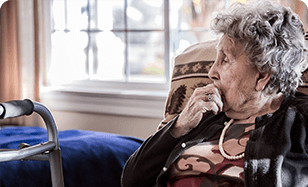
5 Signs of Abuse in a Nursing Home in 2026
No two cases of abuse in nursing home facilities look exactly alike, but certain patterns often appear again and again. Abuse may happen suddenly or develop slowly over time, and the warning signs of elder abuse are not always obvious at first.
Below are some of the most common signs of nursing home abuse and neglect that families should watch for. Recognizing these red flags early can help prevent further harm and protect your loved one’s health, safety, and dignity.
1. Physical Signs of Nursing Home Abuse
Physical abuse is the intentional use of force that causes harm to a resident in a nursing home, assisted living facility, or other long-term care facility.
Signs of physical abuse in a long-term care facility may include:
- Bruising around the wrists or ankles, suggesting improper use of restraints
- Frequent trips to the emergency room without clear or consistent explanations
- Pain when being moved, flinching during touch, or other signs of rough handling
- Sudden fear, anxiety, or distress when certain caregivers enter the room
- Unexplained injuries, such as bruises, welts, burns, or broken bones
These injuries are sometimes dismissed as accidents. However, repeated or unexplained harm is often a warning sign of nursing home abuse. In frail or impaired residents, even minor injuries can quickly become serious or life-threatening.
In Little Rock, Arkansas, a staff member at an assisted living facility was arrested after striking an 82-year-old resident with Alzheimer’s disease. The woman had bruises on her face and forearm, according to investigators.
2. Signs of Nursing Home Neglect
Nursing home neglect occurs when caregivers fail to provide the basic care a resident needs to stay healthy and safe. It is one of the most common forms of nursing home abuse.
Signs of nursing home neglect may include:
- Bedsores, especially those that worsen or do not heal
- Malnutrition or dehydration
- Poor hygiene, such as dirty clothing or unwashed hair
- Unexplained or rapid weight loss
- Unsafe living conditions, including clutter, strong odors, or unsanitary rooms
- Untreated infections or other medical conditions
Neglect may be unintentional, but it often results from understaffing, inadequate training, or poor supervision. Regardless of the cause, neglect can lead to serious and preventable health complications, particularly for elderly or medically fragile residents.
In Ohio, the family of a 72-year-old man who died due to sepsis after spending a year at Avenue at Broadview Heights Care and Rehabilitation Center has filed a wrongful death lawsuit against the facility. Prior to his death, he had allegedly reported that he was being kept in isolation and wasn’t being fed.
3. Sexual Abuse in Nursing Homes
Sexual abuse is a serious and deeply disturbing form of harm. It may occur when a nursing home resident is unable to give consent or cannot communicate what happened due to cognitive or physical impairments.
Signs of sexual abuse in nursing homes may include:
- Bruising, bleeding, or pain around the genital area
- Extreme fear, panic, or withdrawal when being touched or assisted with care
- New or unexplained sexually transmitted infections
- Torn, stained, or bloody undergarments or bedding
Any nursing home signs of sexual abuse should be taken seriously. Family members should act immediately, especially when the resident has dementia or other conditions that limit their ability to report abuse or protect themselves.
In New York, an elderly resident with dementia living at Waterview Heights Rehabilitation and Nursing Center was sexually abused by another resident who had wandered into her room. A nurse later discovered blood in the victim’s undergarments.
4. Emotional Abuse in Nursing Homes
Emotional or psychological abuse can be just as harmful as physical mistreatment. This type of abuse may involve threats, insults, humiliation, intimidation, or controlling behavior by nursing home staff.
Warning signs of emotional abuse may include:
- Changes in sleeping patterns, including insomnia or excessive sleep
- Crying spells, agitation, or unexplained anger
- Loss of interest in activities they once enjoyed
- Sudden changes in mood, behavior, or personality
- Withdrawal, anxiety, or fear around specific caregivers
Because emotional abuse does not leave visible injuries, it can be more difficult to identify. However, family members often sense when something is wrong, especially when behavior changes appear suddenly or worsen over time.
In Iowa, there have been at least 15 incidents of nursing home workers accused of taking photos or videos that violated residents’ right to privacy, according to state records. At Nora Springs Care Center, a staff member allegedly videotaped a resident sitting in a shower chair while partially undressed.
5. Financial Abuse and Exploitation
Financial abuse occurs when someone improperly or illegally uses a nursing home resident’s money, property, or assets. This type of abuse often targets residents who are isolated, cognitively impaired, or dependent on others for daily care.
Warning signs of financial abuse may include:
- Bills going unpaid despite available financial resources
- Confusion or distress about financial matters
- Missing belongings or valuables
- Sudden changes to wills, deeds, or powers of attorney
- Unexplained withdrawals or transfers from bank accounts
Financial exploitation is frequently overlooked because it may happen quietly over time. However, it is a common sign of elder abuse in nursing homes and can leave residents financially vulnerable and unable to pay for essential care.
In Florida, a former manager at an assisted living facility in Coral Springs has been accused of financially exploiting an elderly resident and making thousands of dollars in unauthorized purchases. Her brother had noticed the abnormal charges on her card.
If you’re seeing signs of nursing home abuse, don’t wait. Call (888) 726-9160 or chat with a case manager to learn what steps you can take next.
How to Spot the Signs of Nursing Home Abuse
Not all nursing home abuse leaves visible injuries. In many cases, the earliest warning signs of elder abuse in nursing homes appear through changes in behavior, routine, or mood.
When possible, family members can help protect their loved ones by staying involved and paying close attention during visits.
Helpful steps to spot the signs of nursing home abuse include:
- Asking the resident simple, open-ended questions about how they are treated and whether they have any nursing home complaints
- Checking in regularly and at different times of day through in-person visits, if possible, or phone calls
- Looking for signs of social withdrawal, agitation, or depression
- Noticing fearfulness or discomfort around specific caregivers
- Observing how staff interact with residents during care and daily activities
- Paying attention if a resident seems reluctant to speak in front of staff
- Watching for sudden changes in mood, behavior, or personality
Any changes in your loved one’s behavior may appear before physical injuries or medical problems, making them an important early warning sign of nursing home abuse or neglect.
Signs of Nursing Home Abuse and Neglect: Understanding the Root Cause
Understanding why nursing home abuse and neglect occur can help families stay alert and recognize signs of elder abuse in a nursing home sooner. In many cases, mistreatment is linked to systemic problems within a facility, rather than a single isolated incident.
Common causes of nursing home abuse and neglect include:
- Inadequate background checks, which may place unqualified or dangerous individuals in caregiving roles
- Insufficient training, particularly in medical care, mobility assistance, or dementia care
- High-stress work environments, increasing the risk of burnout, medication errors, or mistreatment
- Lack of supervision, allowing abusive behavior to go unnoticed or unaddressed
- Understaffing, which can lead to rushed care, unmet needs, and neglect
Even nursing homes with strong reputations or high ratings may struggle with these issues. When systemic failures go uncorrected, residents can face serious and preventable harm.
What Happens When Abuse or Neglect Continues?
When nursing home abuse or neglect continues over time, an elderly resident’s health can decline quickly. Older adults are especially vulnerable, and even seemingly minor lapses in care can escalate into serious medical emergencies.
Ongoing abuse or neglect may lead to:
- Dangerous or unexplained weight loss
- Decline in mobility or independence
- Falls or preventable injuries
- Frequent or repeated hospitalizations
- Increased risk of wrongful death
- Infections, particularly from untreated wounds or bedsores
- Worsening mental health, including anxiety or depression
Because the consequences can be severe, early intervention matters. Families who notice signs of nursing home abuse may benefit from understanding their legal options before further harm occurs.
“You don’t need to have all the answers to take action. A lawyer for nursing home neglect can listen to your concerns and help determine if your loved one’s rights may have been violated. It’s our job to ask the hard questions and protect residents who can’t speak up for themselves.”
– Ricky LeBlanc, Managing Attorney of Sokolove Law
If you’re concerned that a loved one has been harmed by nursing home abuse or neglect, you don’t have to figure this out alone. A free case review can help determine whether the care your loved one received may have violated their rights and whether legal action may be possible.
What to Do If You See Signs of Elder Abuse in a Nursing Home
If something feels wrong when you visit your loved one or spot potential signs of nursing home abuse, trust your instincts. Taking action early may help prevent further harm and protect your loved one’s safety.
Learn the steps families can take if they see signs of elder abuse in a nursing home or other care facility.
1. Call 911 in Emergencies
If your loved one is in immediate danger or needs urgent medical care, contact local law enforcement or emergency services right away.
2. Document the Evidence
Write down dates, times, and details of concerning incidents. Take photos of visible injuries or unsafe conditions, and keep copies of medical records or care plans whenever possible.
3. Speak With Management
Report your concerns to the nursing home administrator or the head of the nursing staff. Ask for written explanations and request incident reports.
Nursing homes are required to document and report suspected abuse. If the response is dismissive or inadequate, families may need to report concerns outside the facility.
4. Contact Adult Protective Services
Every state has Adult Protective Services, an independent agency that investigates allegations of abuse, neglect, or exploitation involving older adults. APS can help assess the situation and recommend protective steps.
A nursing home ombudsman can also help advocate for quality care and resolve any disputes between the resident and the facility.
5. Speak With a Nursing Home Abuse Lawyer
A nursing home abuse lawyer can explain your legal rights, help preserve evidence, and determine whether a claim may be available based on what occurred.
If signs of nursing home abuse are confirmed, families may be able to file a nursing home lawsuit to seek compensation for medical bills, a safer facility, and more.
Get Help for Nursing Home Abuse Warning Signs
If your loved one is showing signs of nursing home abuse or neglect, you don’t have to navigate this alone. Getting answers early can help protect their health, preserve evidence, and prevent further harm.
At LawFirm.com, we work with top attorneys who have recovered more than $332 million in nursing home compensation for families impacted by negligence and abuse.
While every case is different, these results reflect the resources and experience our partners bring to serious cases involving vulnerable individuals.
Call (888) 726-9160 right now or get a free case review to see whether your concerns may point to abuse or neglect and what legal options may be available. There is no cost to speak with our team, and no obligation to move forward.
Signs of Elder Abuse in Assisted Living FAQs
Red flags in a nursing home are warning signs that may indicate abuse, neglect, or unsafe care. Some red flags are physical, while others involve changes in behavior, environment, or communication.
Common nursing home red flags include:
- Bedsores or untreated medical conditions
- Fearfulness, anxiety, or withdrawal, especially around certain staff members
- Missing money or personal belongings
- Poor hygiene, dirty clothing, or strong odors
- Refusal to speak openly when caregivers are present
- Sudden weight loss, dehydration, or signs of malnutrition
- Unexplained injuries, such as bruises, fractures, or burns
- Unsanitary or unsafe living conditions
Seeing one red flag does not always mean abuse is occurring. However, patterns of concerning behavior or multiple warning signs should be taken seriously and may warrant further action. Get a free case review to see if we can help you get the answers you deserve.
Seven common signs of abuse in a nursing home include:
- Unexplained injuries, such as bruises, burns, or broken bones
- Poor hygiene or neglect, including dirty clothing, dehydration, or bedsores
- Sudden behavioral changes, such as fear, anxiety, or depression
- Withdrawal or silence, especially around certain staff members
- Signs of sexual abuse, including unexplained genital injuries or torn clothing
- Financial irregularities, such as missing money or unexplained withdrawals
- Unsafe living conditions, including unsanitary rooms or lack of supervision
While one sign alone may not confirm abuse, multiple warning signs or ongoing patterns should be taken seriously and may indicate mistreatment or neglect.
You can recognize signs of nursing home abuse by paying close attention to changes in a resident’s physical condition, behavior, and living environment. Abuse and neglect do not always leave visible injuries, so noticing patterns over time is important.
If you suspect nursing home abuse or neglect, act promptly:
- Ask the resident simple questions about their care, if possible
- Call 911 if there is immediate danger
- Contact Adult Protective Services (APS)
- Document injuries, behavior changes, and unsafe conditions
- Report concerns to nursing home management
- Speak with a nursing home abuse law firm to understand your options
You do not need proof to report concerns. Taking action early may help protect the resident and prevent further harm. Call (888) 726-9160 to get help if you’ve spotted signs of elder abuse in a nursing home.

Fact-Checked and Legally Reviewed by: Julie RiversEldercare Advocate
- Editor
Julie Rivers is a dedicated eldercare advocate with over 15 years of experience in nursing home neglect and abuse cases. Inspired by her mother’s battle with Alzheimer’s, she blends legal expertise and personal passion to support victims. An MBA graduate and active Alzheimer’s Association volunteer, Julie fights for better eldercare policies and justice for affected families.

Written by: Rae Theodore
Rae Theodore is a writer and editor with more than 30 years of experience in legal publishing. She earned a bachelor’s degree in English from Pennsylvania State University.
- 19 News. (2026, January 5). “Seven Hills man’s family sues nursing home for wrongful death after alleged neglect.” Retrieved from: https://www.cleveland19.com/2026/01/05/seven-hills-mans-family-sues-nursing-home-wrongful-death-after-alleged-neglect/.
- Centers for Disease Control and Prevention. (2024, November 7). “About Abuse of Older Persons.”
Retrieved from: https://www.cdc.gov/elder-abuse/about. - Iowa Capital Dispatch. (2025, November 24). “Nursing home workers post ‘demeaning’ photos, videos of residents.” Retrieved from: https://iowacapitaldispatch.com/2025/11/24/nursing-home-workers-post-demeaning-photos-videos-of-residents/.
- Local 10. (2025, November 21). “Coral Springs care facility manager faces charges in elder financial abuse case.” Retrieved from: https://www.local10.com/news/local/2025/11/21/coral-springs-care-facility-manager-faces-charges-in-elder-financial-abuse-case/.
- USA Today. (2024, November 8). “3 arrested on charges of elder abuse, Medicaid fraud in separate Arkansas cases.” Retrieved from: https://www.usatoday.com/story/news/nation/2024/11/08/arkansas-medicaid-fraud-elder-abuse-arrests/76133568007/.
- Sokolove Law. (2026, January 9). “Signs of nursing home abuse.” Retrieved from: https://www.sokolovelaw.com/nursing-home-abuse/signs-of-abuse/.
- WHEC. (2025, September 23). “Investigates: Family says grandmother was sexually assaulted at nursing home.” Retrieved from: https://www.whec.com/top-news/investigates-family-says-grandmother-was-sexually-assaulted-at-nursing-home/.