 We help people get the compensation they deserve.
The Biggest Nursing Home Complaints in 2025
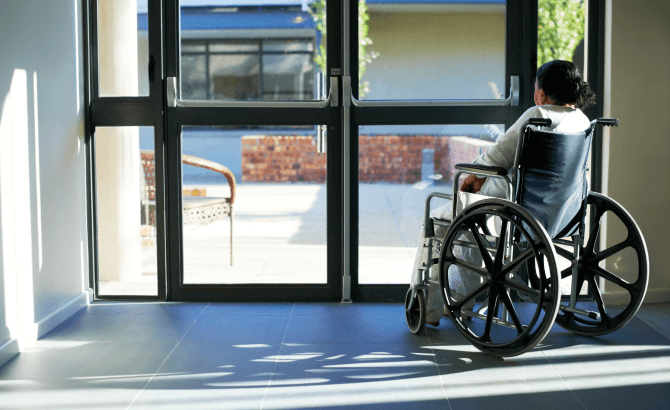
Nursing home complaints often center around neglect, poor staffing, and mistreatment. Families commonly report that residents aren’t receiving basic care, like help with hygiene, nutrition, or mobility, due to understaffing or untrained workers.
Physical abuse is also a serious concern, along with safety issues, lack of communication, and unresponsiveness to resident needs. These complaints reflect broader problems in facility oversight and quality of care.
If you or a loved one suffered abuse or neglect in a nursing home, you may be eligible to pursue justice and compensation from a lawsuit. Get started with a free case review.
What Are the 3 Most Common Complaints About Nursing Homes?
When choosing a nursing home, families expect a safe, respectful, and supportive environment. Unfortunately, not all facilities meet these expectations. Understanding the most common complaints can help you recognize warning signs and protect your loved one.
The 3 most common complaints about nursing home care involve:
- Neglect of basic needs: Residents may not receive proper food, hydration, hygiene, or help with mobility. This can lead to issues like malnutrition, bedsores, and infections.
- Physical or sexual abuse: Families often report yelling, threats, or even physical harm from caregivers. This kind of abuse can cause both psychological trauma and physical injuries in vulnerable residents.
- Staffing issues: Many complaints involve inadequate staffing levels, untrained workers, or high staff turnover, which can result in poor supervision, delayed care, and increased risk of injuries or abuse.
Find out more about each of these issues, as well as how they can affect a resident’s quality of life and, in some cases, their survival.
1. Neglect of Basic Needs & Care
Neglect of basic needs and care is one of the most serious and common issues reported in nursing homes. This happens when staff fail to provide residents with essential daily support, like assistance with bathing, dressing, eating, using the restroom, or moving safely.
When these needs are ignored, residents may suffer from:
- Bedsores (pressure ulcers)
- Dehydration
- Falls and fractures
- Infections
- Malnutrition
- Poor hygiene
Neglect can be unintentional, often due to understaffing or lack of training, but it still puts vulnerable residents at serious risk. Over time, this kind of mistreatment can lead to physical decline, emotional distress, and a lower quality of life.
Family members should look for signs of neglect, like sudden weight loss, dirty clothing, or untreated injuries. Report any concerns immediately and consider speaking with a nursing home abuse lawyer to understand your legal options and protect your loved one’s rights.
2. Sexual or Physical Abuse
Physical or sexual abuse in nursing homes is a deeply troubling issue involving intentional harm or unwanted sexual contact inflicted on vulnerable residents.
Physical abuse may include hitting, slapping, pushing, or improper use of restraints, while sexual abuse covers any nonconsensual sexual activity or harassment. These abuses often cause serious injuries and emotional trauma.
Warning signs of nursing home abuse include:
- Aggression or agitation after interactions with caregivers
- Fearfulness or anxiety around certain staff members
- Signs of sexual trauma or infections
- Sudden withdrawal or changes in behavior
- Unexplained bruises, cuts, or fractures
“The second most common type of abuse in nursing homes is physical abuse. The high prevalence should receive special attention since the residents are highly vulnerable individuals who are dependent on staff. Their ability to defend themselves is limited due to cognitive and physical impairments.”
– National Library of Medicine Study on Abuse
Because many residents have cognitive or communication challenges, abuse can be hard to detect.
Family members should stay alert to these signs, report any concerns immediately, and consult with an experienced nursing home abuse law firm to ensure the victim’s safety.
3. Staffing Issues
Staffing issues are a major factor contributing to poor care and neglect in nursing homes. When facilities are understaffed or employ workers who lack proper training, residents may not receive timely or adequate attention.
High staff turnover can disrupt continuity of care, leading to mistakes and frustration among both residents and staff. Insufficient staffing also increases the risk of accidents, neglect, and even abuse when overwhelmed caregivers are unable to meet all residents’ needs.
Common staffing-related problems include:
- Chronic understaffing, resulting in delayed or missed care
- Fatigue and burnout among staff, lowering the quality of care and increasing errors
- High turnover rates that prevent stable, trusting relationships between residents and caregivers
- Inexperienced or untrained staff who are unfamiliar with residents’ medical or emotional needs
- Lack of supervision and accountability, allowing neglect or abuse to go unnoticed
Staffing problems can seriously compromise the well-being of nursing home residents. If you notice signs of neglect or inadequate care, like unanswered call lights, poor hygiene, or frequent staff changes, it’s important to speak up.
Document your concerns and consider reaching out to a nursing home abuse lawyer. You may be able to sue for neglect if your loved one was harmed as a result. Legal support may help protect your loved one and hold the facility accountable for failing to provide proper care.
How to File a Complaint Against a Nursing Home
To file a complaint against a nursing home, it’s important to act quickly and use the proper channels to ensure the issue is addressed. Begin by documenting everything: dates, times, names, and a clear description of what occurred.
File a complaint against a nursing home by:
- Contacting the Long-Term Care Ombudsman Program: This free, state-run program advocates for nursing home residents and investigates complaints. They can help mediate issues and ensure residents’ rights are protected.
- Reporting to your state’s Department of Health or Adult Protective Services (APS): These agencies regulate nursing homes and can conduct formal investigations into abuse, neglect, or safety violations.
- Notifying the nursing home administration: Reporting concerns directly to the facility can sometimes lead to immediate corrective action, especially if it’s an issue of staff behavior or poor conditions.
- Consulting with an experienced nursing home abuse attorney: If the issue involves serious harm or ongoing neglect, a lawyer can help you file a legal claim, gather evidence, and seek compensation or accountability through the courts.
Filing a complaint not only helps protect your loved one but can also prevent future harm to other residents. In some cases, families receive compensation to transfer a loved one to a safer home or pay for their extended care.
Get Help Filing Nursing Home Complaints
At LawFirm.com, we’re here to simplify the legal process and connect families with the best attorneys in their area. If you or your loved one suffered abuse in a nursing home, contact us now.
Our team can help you:
- Understand your legal rights and options
- Determine if your loved one was abused or neglected
- Find evidence to substantiate these claims and injuries
- File a claim against the facility on your behalf
- Pursue compensation for your family
Call (888) 726-9160 right now or get a free case review. Our network has helped thousands of families get justice, securing hundreds of millions of dollars for abuse victims nationwide.

Fact-Checked and Legally Reviewed by: Julie RiversEldercare Advocate
- Editor
Julie Rivers is a dedicated eldercare advocate with over 15 years of experience in nursing home neglect and abuse cases. Inspired by her mother’s battle with Alzheimer’s, she blends legal expertise and personal passion to support victims. An MBA graduate and active Alzheimer’s Association volunteer, Julie fights for better eldercare policies and justice for affected families.

Written by: Rae Theodore
Rae Theodore is a writer and editor with more than 30 years of experience in legal publishing. She earned a bachelor’s degree in English from Pennsylvania State University.
- BMC Geriatrics. “Staff-to-resident abuse in nursing homes: a scoping review.” Retrieved from https://bmcgeriatr.biomedcentral.com/articles/10.1186/s12877-022-03243-9.
- Justice in Aging. “25 Common Nursing Home Problems & How to Resolve Them.” Retrieved from https://justiceinaging.org/25-common-nursing-home-problems/.
- Sokolove Law. “Nursing Home Abuse.” Retrieved from https://www.sokolovelaw.com/nursing-home-abuse/.