 We help people get the compensation they deserve.
Talc Ovarian Cancer Diagnosis
A talc ovarian cancer diagnosis can be overwhelming, especially for women who regularly used talc-based products like Johnson’s Baby Powder® or Shower to Shower®. For decades, many consumers were never warned that some products could be contaminated with asbestos, a known carcinogen linked to ovarian cancer. If you’ve been harmed, we may be able to help you understand your legal options and pursue compensation.
Why Take Legal Action?
By filing a product liability lawsuit, you can pursue financial compensation and justice from the companies that caused you or a loved one harm.
Results Secured
- $40 million for a veteran exposed to asbestos from Goodyear gaskets
- $1.16 million for a Roundup® victim in North Dakota
- $575,000 for a man in Florida who suffered chemical burns from Just for Men® hair dye

What an Ovarian Cancer Diagnosis Means for Talc Exposure Victims
For decades, talcum powder was marketed as a safe personal care product. Many women used a variety of talc-based products daily in the genital area, not knowing that they could contain talc particles contaminated with asbestos.
Research suggests that these microscopic asbestos fibers can travel through the reproductive tract, triggering chronic inflammation in the ovaries and fallopian tubes that may contribute to the development of cancer over time.
An ovarian cancer diagnosis doesn’t confirm the cause of your illness, but it does open the door to answers. If you regularly used talc-based baby powder or cosmetic products, this information is critically important for both your medical team and your potential legal claim.
Doctors use a combination of tests to diagnose ovarian cancer. These same records can help an experienced attorney link your talc cancer diagnosis to the products you used and build a strong case for compensation.
The talcum powder lawyers in our network have secured over $10.7 billion for families impacted by asbestos-related diseases, including ovarian cancer. See if they may be able to help you, too.
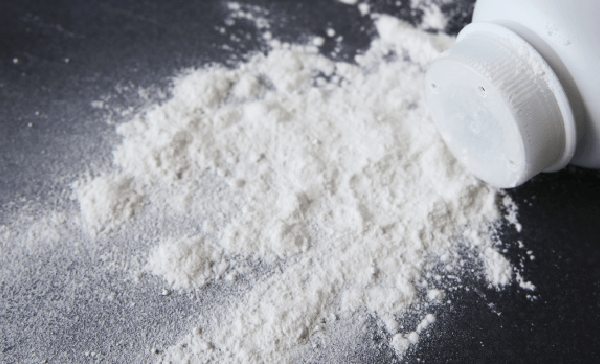
Signs of Ovarian Cancer & Early Diagnosis
Ovarian cancer often develops slowly and may not cause noticeable symptoms right away. Many women attribute early signs to hormonal changes, stress, or aging.
But for those with long-term use of talcum powder, early symptoms may be the first signal that something is wrong.
Common early signs of ovarian cancer include:
- Bleeding after menopause
- Changes in bowel or bladder habits
- Fatigue
- Feeling full quickly
- Lower back pain
- Pelvic or abdominal pain
- Persistent bloating
If these symptoms continue for several weeks, doctors recommend getting checked by an OB-GYN or gynecologic oncologist. An ovarian cancer early diagnosis can lead to better outcomes and stronger legal claims if evidence suggests links to asbestos-contaminated talc.
The average age of an ovarian cancer diagnosis in the United States is about 63, according to the National Library of Medicine. That said, an early diagnosis of ovarian cancer can allow patients to get the treatment they need and potentially live longer.
How Doctors Diagnose Ovarian Cancer
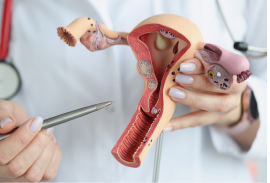 Because early symptoms are vague, ovarian cancer is often diagnosed in later stages. To confirm a diagnosis, doctors combine several tools, imaging tests, and lab work.
These same steps help establish a clear medical record, which is essential if you choose to explore ovarian cancer talc lawsuit options later. Learn more about ovarian cancer tests and diagnosis below.
1. Physical and Pelvic Exam
Doctors check the pelvis to feel for swelling, masses, or tenderness in the reproductive organs. A pelvic exam alone cannot confirm ovarian cancer, but it’s the first step toward further testing.
2. Imaging Tests
Imaging helps doctors see the ovaries, fallopian tubes, and surrounding tissues.
Common tests include:
- CT scan: Creates detailed images of the abdomen and pelvis
- MRI: Provides more precise visuals when cancer is suspected
- Ultrasound: Shows the size and shape of the ovaries and any abnormal growths
These tests help reveal tumors that may have formed from repeated irritation caused by talc particles or asbestos fibers.
3. Blood Tests
Doctors use blood tests to detect tumor markers linked to ovarian cancer. The most common type of blood test used for ovarian cancer is the CA-125, which is often elevated in women with ovarian cancer.
This test doesn’t confirm cancer on its own, but abnormal results help guide next steps. In talc ovarian cancer cases, elevated markers combined with a history of talc exposure may support claims that the powder contributed to the disease.
4. Biopsy or Surgical Diagnosis
The only way to confirm ovarian cancer is to remove tissue and examine it under a microscope.
Doctors may:
- Perform a diagnostic laparoscopy
- Remove an ovary
- Take tissue samples
This confirms the cancer type and stage, which is key information for both treatment planning and potential talc lawsuits.
5. Genetic Testing
Testing for BRCA1 and BRCA2 mutations helps identify inherited risks and guides treatment decisions. It can also play a role in understanding whether your cancer may be tied to genetics (a family history) or environmental exposure, such as talcum powder use.
Call (888) 726-9160 right now or chat with a case manager if you or a loved one used talcum powder products and were later diagnosed with ovarian cancer. You may be eligible for compensation.
Why Doctors Consider Talc Exposure in Ovarian Cancer Cases
Researchers in epidemiology, oncology, and women’s health have studied the connection between talc and cancer for decades.
Findings from the American Cancer Society, the U.S. Food and Drug Administration (FDA), and the International Agency for Research on Cancer (IARC) show that talc contaminated with asbestos can cause cancer, including ovarian cancer.
Evidence for a talc ovarian cancer diagnosis includes:
- Talc particles can travel through the reproductive tract
- Asbestos fibers can lodge in the ovaries
- Chronic inflammation increases the risk of ovarian cancer
- Studies show an increased risk of ovarian cancer among frequent talc users
- Some products, including Johnson & Johnson’s baby powder, have faced scrutiny for asbestos contamination
If your doctor suspects ovarian cancer, it’s important to share your history of talc-based product use. This can help them better understand possible causes and guide you toward additional resources, including legal help.
“Women who trusted Johnson & Johnson’s baby powder and other products to help maintain cleanliness for decades are now filing lawsuits after discovering the product was a contributing factor in their cancer diagnoses. These women deserved to have been warned, so they could have made informed choices about their health and safety.”
– Jayne Conroy, Named Partner at Simmons Hanly Conroy
When to Get a Second Opinion for a Diagnosis of Ovarian Cancer
Ovarian cancer is complex, and getting a second opinion is common.
You may want a second opinion for your talc ovarian cancer diagnosis if:
- The diagnosis isn’t clear
- You want to rule out other types of cancer
- The recommended cancer care seems aggressive
- You want confirmation from a gynecologic oncologist
- You plan to explore legal action related to talc exposure
- A loved one wants clarity before helping you make decisions
A second opinion may help you feel confident about your diagnosis of ovarian cancer and provide additional documentation that strengthens your potential talcum powder lawsuit.
How Ovarian Cancer Is Staged After Diagnosis
Staging helps determine how far cancer has spread. Doctors use imaging, biopsies, and surgical findings to place ovarian cancer into one of four stages:
- Stage I: Cancer limited to one or both ovaries
- Stage II: Cancer spreads to nearby pelvic organs
- Stage III: Cancer reaches the abdomen or lymph nodes
- Stage IV: Cancer spreads to distant organs, such as the lungs or liver
Your stage helps your health care team plan treatment and may affect potential settlement amounts if your case leads to a talcum powder claim. Money from a talc ovarian cancer lawsuit can help offset medical expenses, lost income, and more.
In December 2025, a Los Angeles jury ordered Johnson and Johnson to pay a combined $40 million to 2 women who blamed their ovarian cancer diagnoses on Johnson’s Baby Powder. The jury found that J&J knew of the health risks for decades but failed to warn consumers.
See if you may qualify to pursue a talc powder ovarian cancer settlement — get started with a free, no-obligation case review.
Why Diagnosis Matters in Talc-Related Cases
A confirmed ovarian cancer diagnosis is the foundation of a talcum powder lawsuit for victims. Your medical records, symptoms, and treatment history help asbestos attorneys show that the cancer may be linked to:
- Long-term use of talc
- Exposure to asbestos fibers
- Products made by asbestos companies or cosmetic brands
If you’ve been diagnosed, your next steps matter. Lawsuits related to how talc causes ovarian cancer have strict statutes of limitations, meaning you only have a limited amount of time to file.
Ovarian Cancer Diagnosis and Treatment
Treatments depend on cancer type, stage, and your overall health. Most cases involve a combination of surgery and chemotherapy, followed by additional therapies if needed. Find out more about talc ovarian cancer diagnosis and treatment options below.
Surgery
Surgery is often used to diagnose, stage, and treat ovarian cancer.
Surgery may remove:
- One or both ovaries
- Fallopian tubes
- The uterus
- Nearby lymph nodes
- Other affected tissues
Surgical records can be critical in talc-related ovarian cancer claims, as they document the extent of disease, affected organs, and pathology findings that talcum powder attorneys may use to help link an ovarian cancer diagnosis to long-term talc exposure.
Chemotherapy
Chemotherapy is one of the most commonly recommended treatments for ovarian cancer. It is used to destroy remaining cancer cells after surgery or to shrink tumors before surgery.
Radiation Therapy
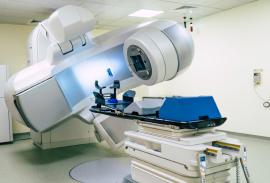 Radiation therapy targets cancer in specific areas of the body but is used less often to treat ovarian cancer. Doctors may recommend it in limited situations, such as to relieve symptoms or address cancer that has spread to a localized area.
Hormone Therapy & Immunotherapy
Hormone therapy and immunotherapy may be used in certain types of ovarian cancer to help slow tumor growth or support the body’s immune response against cancer cells.
Palliative Care
When cancer has spread throughout the body or when a patient stops responding to treatment, palliative care improves comfort by helping manage pain, nausea, and other symptoms.
A treatment plan not only helps with survival but also strengthens evidence for potential talc lawsuits, linking your diagnosis to long-term use of talc-based baby powder, cosmetic products, or body powder.
Taking Action After a Talc-Related Ovarian Cancer Diagnosis
A talc ovarian cancer diagnosis can be devastating, but you may still have options for financial support and accountability. Many women were never warned about the potential risks associated with asbestos-contaminated talc products.
Our team can help explain your legal rights, review your diagnosis and exposure history, and determine whether you may qualify for a talcum powder lawsuit.
Getting answers now may help you protect your health, secure support for your loved ones, and hold manufacturers accountable for the harm caused.
Call (888) 726-9160 right now or get a free case review to understand your options and learn what steps to take next.
Talc Ovarian Cancer and Diagnosis FAQs
Yes. Research suggests a link between long-term talcum powder use and ovarian cancer, especially when talc products are contaminated with asbestos. Organizations like the American Cancer Society and the International Agency for Research on Cancer have raised concerns about genital talc use.
An ovarian cancer diagnosis does not prove cause, but studies indicate that frequent, long-term talc use may increase risk. This potential connection has led thousands of women to file lawsuits alleging that manufacturers failed to warn consumers about asbestos contamination in talc-based products.
If you’ve been harmed, we may be able to help you seek justice. Get a free case review to learn about your legal rights and options.
Ovarian cancer can develop for months or even years without noticeable symptoms, especially in its early stages. Many women experience vague or mild symptoms, like bloating, pelvic discomfort, or fatigue, which are easy to overlook or link to other conditions.
Because early symptoms are often subtle, ovarian cancer is frequently diagnosed at a later stage, when the disease has already spread.
The statute of limitations for ovarian cancer talc lawsuits varies by state and often depends on when you were diagnosed — not when you used talcum powder. In many cases, the clock starts when you first learned or reasonably should have learned that your cancer may be linked to talc exposure.
Because deadlines can be strict and vary widely, speaking with a talc attorney as soon as possible can help protect your right to seek compensation. Call (888) 726-9160 to see if a talcum powder lawyer in our network may be able to help you while there’s still time.
There is no single known cause of ovarian cancer, but researchers believe it often develops due to a combination of genetic, hormonal, and environmental factors. One environmental exposure that has been closely studied is the use of talc-based products, particularly in the genital area.
Studies suggest that talc contaminated with asbestos may increase ovarian cancer risk, which is why talc exposure is considered an important factor in ovarian cancer cases.
Talc exposure itself does not usually cause immediate or obvious symptoms. When asbestos-contaminated talc is linked to ovarian cancer, symptoms are typically those of ovarian cancer rather than talc exposure alone.
Common symptoms may include:
- Abdominal bloating
- Frequent urination
- Feeling full quickly
- Pelvic or abdominal pain
- Unexplained fatigue
Because these symptoms can be subtle and develop over time, many women do not realize something is wrong until the cancer is more advanced.
The life expectancy after an ovarian cancer diagnosis varies based on factors like the stage and the overall health of the patient. Those with stage 1 ovarian cancer have a 5-year survival rate of 93% while those with stage 4 have a rate of 31%, according to the Ovarian Cancer Research Alliance.

Fact-Checked and Legally Reviewed by: Rae Theodore
Rae Theodore is a writer and editor with more than 30 years of experience in legal publishing. She earned a bachelor’s degree in English from Pennsylvania State University.
- American Cancer Society. (2024). Talcum powder and cancer. Retrieved from: https://www.cancer.org/cancer/risk-prevention/chemicals/talcum-powder-and-cancer.html.
- National Library of Medicine. (2016). “The Association Between Talc Use and Ovarian Cancer.” Retrieved from: https://pmc.ncbi.nlm.nih.gov/articles/PMC4820665/.
- National Library of Medicine. (2022). “Current and Emerging Methods for Ovarian Cancer Screening and Diagnostics: A Comprehensive Review.” Retrieved from: https://pmc.ncbi.nlm.nih.gov/articles/PMC9221480/.
- Ovarian Cancer Research Alliance. (n.d.). “Stages of Ovarian Cancer.” Retrieved from: https://ocrahope.org/for-patients/gynecologic-cancers/ovarian-cancer/ovarian-cancer-staging/.
- Reuters. (2025). “Jury orders Johnson & Johnson to pay $40 million to two women in latest talc trial.” Retrieved from: https://www.reuters.com/business/healthcare-pharmaceuticals/jury-orders-johnson-johnson-pay-40-million-two-women-latest-talc-trial-2025-12-13/.
- Sokolove Law. (2026). “Talcum Powder Ovarian Cancer Lawsuit.” Retrieved from: https://www.sokolovelaw.com/product-liability/talcum-powder/ovarian-cancer/.
- U.S. Food and Drug Administration. (2024). “Talc.” Retrieved from: https://www.fda.gov/cosmetics/cosmetic-ingredients/talc.